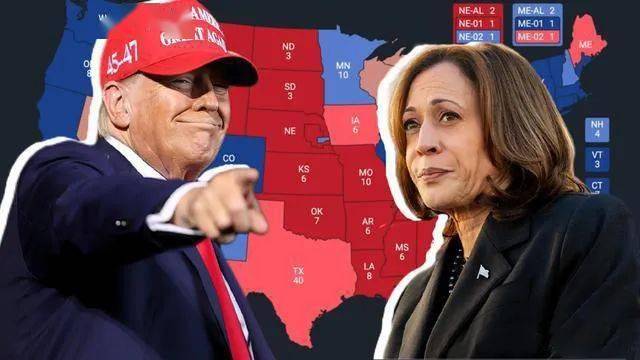
As the 2024 U.S. election enters its final crucial stage, with Trump and Harris evenly matched in support, the uncertainty of the election results brings a series of possible policy variables that could impact global markets. The candidates’ policy proposals, particularly their stances on tariffs, foreign investment, export environment and geopolitics, could significantly influence market dynamics in key application areas of polyurethane (PU), such as real estate, automobile and home furnishings. Below is an analysis of the key policies:
1. Increasing Tariffs and Export Pressure
If Trump is re-elected, his consistent protectionism stance may once again pose a significant challenge to PU exporters. Under his proposed tariff framework, the rising cost of imported goods could weaken the competitiveness of Chinese exports, including polyurethane. Previously, his imposition of high tariffs on Chinese goods directly increased the difficulty of selling Chinese PU products in the U.S. and escalated the US-China trade war. If Trump’s tough trade policies persist, Chinese PU suppliers may face risks such as reduced orders and intense price pressures, adversely affecting the overall demand for PU. Harris, on the other hand, might adopt a milder tariff policy, continue the Biden administration’s multilateral cooperation approach, while still maintaining the trade protectionism, potentially easing the pressure faced by exporters of PU products.
2. Adjustment of Chinese Businesses’ Overseas Expansion Plans
Trump supports domestic investment, encourages the reshoring of manufacturing, while restricts certain overseas investments. This could dampen the enthusiasm of Chinese PU suppliers to expand production in the U.S., compelling some of them to reconsider or slow down their expansion plans. A Harris administration might prioritize global cooperation and continue the Biden administration’s overseas investment policies, resulting in lower policy pressure on Chinese businesses. Regardless of election outcome, Chinese PU suppliers would adjust their overseas expansion plans due to U.S. policy changes, which could further affect their flexibility and costs in facility layout.
3. Market Uncertainty Arising from Geopolitical Risks
The polyurethane industry is also facing significant uncertainty arising from geopolitical risks. If Trump is re-elected, he may intensify economic sanctions on China in areas such as technology, energy and supply chain security. PU suppliers’ production and technological upgrades may be constrained, particularly in high-end applications affected by critical technologies like chips and automation equipment. Even if Harris is elected, these constraints may not entirely be lifted. Chinese businesses may experience ongoing pressures in technology and other fields. However, a Harris administration may take a more balanced approach to maintain the relative stability of the global supply chain.
4. Challenges Faced by Exporters: A Strong Dollar and Exchange Rate Risks
Trump’s combination of tax cuts and tariff increases may boost the U.S. economy and drive dollar rally, thereby exerting downward pressures on Chinese Yuan. Chinese PU exporters might immediately benefit from the devaluation of the Yuan. But if Trump’s economic plans boost demand in the U.S., a strong dollar would intensify competitive pressures on Chinese businesses. Harris’ policies, focusing more on tax cuts for the middle class, may not lead to such dramatic inflation and exchange rate fluctuations.
5. Global Industry Chain Restructuring
Should Trump continue economic sanctions against China, Chinese PU suppliers may face new import restrictions on critical raw materials, technologies and equipment. In such a scenario, the global industrial chain of the polyurethane industry may need to be restructured to ensure stability in essential production resources. If Harris is elected, she may emphasize more international cooperation, which could help alleviate tensions in the industrial chain and provide assurance for flexible layout of supply chains for businesses.
Summary
The impact of the 2024 U.S. presidential election on the polyurethane industry will be primarily seen in areas such as tariffs, overseas investments, geopolitics, and exchange rates. Trump’s victory would signify more aggressive protectionism measures, currency pressures, and stricter technology and supply chain restrictions on Chinese PU suppliers. A Harris win may bring about a more easing policy environment, but the industry still needs to face the risks in technology, energy and other areas. Regardless of who wins the electione, PU suppliers need to strengthen independent innovation and supply chain resilience to address potential challenges and uncertainties in future policy changes.