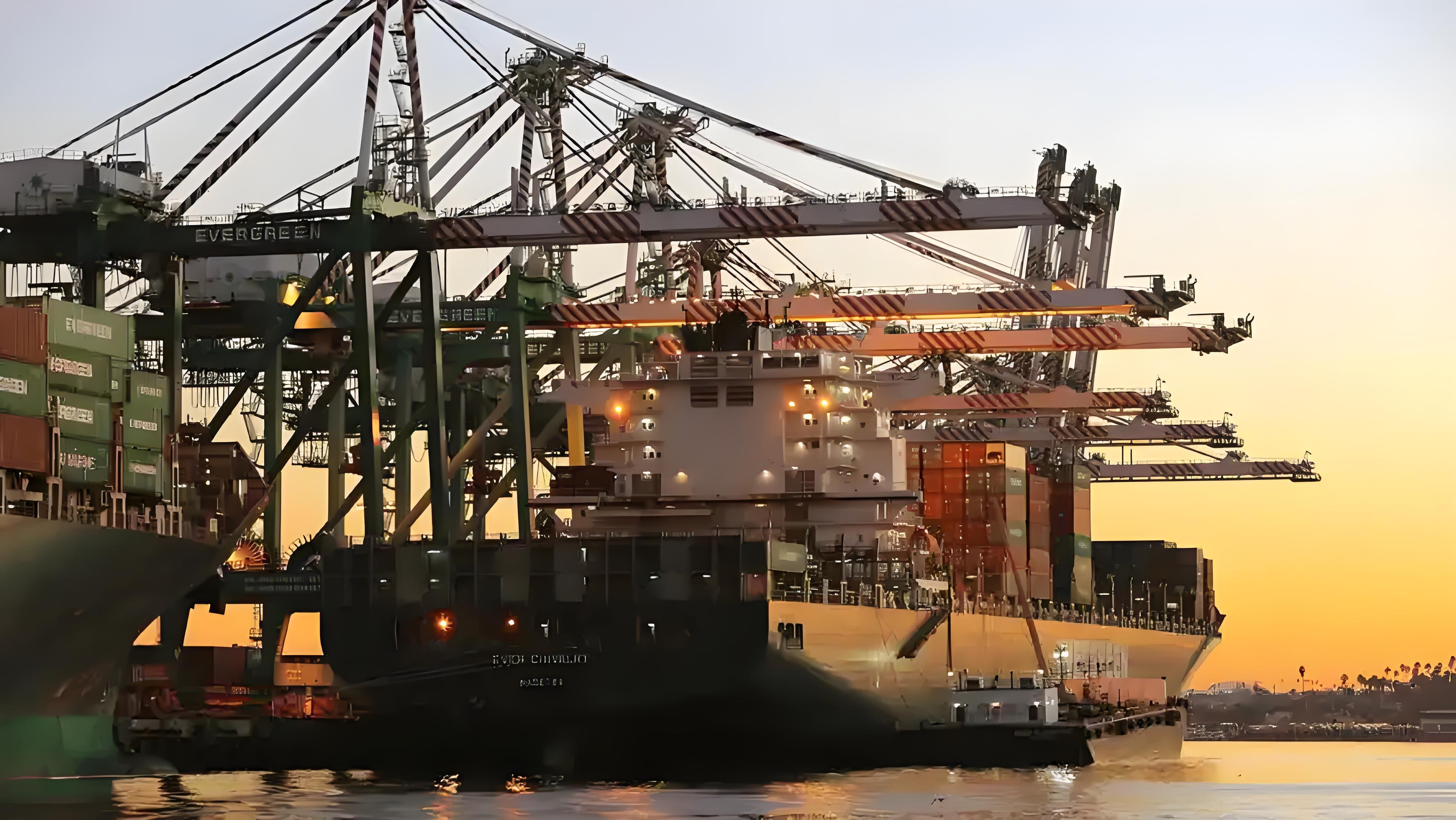
In May 2025, the desolate scene at the Port of Los Angeles marked a turning point in global chemical trade. With the first batch of Chinese cargo ships subjected to a 145% tariff arriving at U.S. ports, the Trump administration’s protectionist policies have placed polymeric MDI—a critical raw material for the construction and manufacturing sectors—at the heart of a trade storm. As one of China's key chemical exports to the U.S., China's polymeric MDI exports totaled 1.204 million tons in 2024, with 268,000 tons shipped to the American market. This figure underscores polymeric MDI’s strategic role in the U.S. supply chain: unlike other polyurethane materials such as pure MDI or TDI, domestic U.S. production of polymeric MDI falls short of demand. Furthermore, the product has so far evaded full coverage under anti-dumping regulations, making it one of the last "strategic corridors" in Sino-U.S. chemical trade that remains partially open.
However, the current period of price stability is merely the calm before the storm. Inventory cycles and shipping lags are temporarily masking the pass-through of rising costs. As the impact of tariffs becomes more evident, upward pricing pressure is expected to intensify in the second half of 2025, triggering a chain reaction across the industrial value chain.
This shockwave has already spread from ports to the broader economy. Cargo throughput at the Port of Los Angeles has plunged 35%, 20% of May's scheduled arrivals were canceled, and agricultural exports at the Port of Tacoma have fallen by 27.7%—all signs of deep disruptions in the U.S. supply chain. For bulk chemical products like polymeric MDI, which are heavily reliant on maritime logistics, the drop in shipping efficiency is directly extending lead times and driving up costs. Meanwhile, tariff-induced cost inflation is reshaping market dynamics. According to a survey of U.S. builders, 60% of suppliers have already raised or plan to raise prices, pushing average home construction costs up by an estimated $11,000. As a key raw material for insulation, polymeric MDI is seeing demand erosion: U.S. housing starts dropped 11% in March 2025, and existing home sales recorded the steepest decline in two years. This vicious cycle of "cost inflation–demand contraction" is squeezing importers' margins. U.S. retailers are reportedly holding only one to two months of inventory, and while consumers are stockpiling in anticipation of further price hikes, this kind of “false boom” is unsustainable. Once inventories run dry and new supply cannot be replenished quickly due to tariff barriers and shipping delays, the market may experience sharp, sudden price spikes.
In response, Chinese and American companies are now locked in a high-stakes survival game. In the short term, domestic U.S. MDI capacity—concentrated among major players like Covestro, Huntsman, and BASF—faces long expansion cycles and cannot fill the gap quickly. This reality preserves some bargaining power for Chinese producers, especially as BASF’s planned capacity additions are unlikely to come online in 2025. Some Chinese firms are already pursuing “indirect breakouts” by converting polymeric MDI into formulated systems or semi-finished products, or re-routing exports through Southeast Asia to circumvent tariffs. Meanwhile, U.S. importers are accelerating diversification efforts, exploring alternative sources such as the Middle East and South Korea. Yet, these regions currently lack the scale and cost advantages to displace Chinese supply.
In the long run, industry consolidation is inevitable. Leading Chinese producers will strengthen their positions through economies of scale and overseas capacity deployments in low-tariff countries. In contrast, small and mid-sized enterprises unable to absorb the tariff burden may be forced to exit the U.S. market. What’s even more concerning is that the nature of this game goes beyond economics—U.S. tariff policy is heavily influenced by political cycles. Whether these measures will be reversed post-2024 election remains the biggest uncertainty. Each new round of trade disruption further fractures the global chemical trade, accelerating its shift toward regionalization.
The turmoil facing the polymeric MDI market today is but a ripple in the ebb tide of globalization, exposing how political maneuvering distorts economic fundamentals. When tariffs evolve from regulatory tools into strategic weapons, the once-efficient global supply chain inevitably retreats into regional fortresses: construction costs surge in the U.S., port employment contracts, and Chinese chemical manufacturers see profits eroded. In the end, it is producers and consumers on both sides who bear the cost. History repeatedly reminds us: when economic issues are politicized, there are no true winners.