Recently, the US Department of Commerce announced that starting June 23, 2025, it will impose additional tariffs of up to 50% on eight categories of steel-based home appliances, including refrigerators. This move not only escalates US-China trade tensions but also adds further pressure to the already strained US appliance market. For refrigerator manufacturing, this policy will significantly increase production costs and drive up retail prices for consumers, potentially triggering a new wave of demand contraction. This, in turn, will impact related upstream materials, particularly the demand for polyurethane raw materials widely used in refrigerator insulation.
Steel Tariffs Drive Up Refrigerator Costs, Straining US Appliance Market
According to US International Trade Commission data, steel components typically account for 15%-20% of a refrigerator's total cost. The new tariff imposes a 50% surcharge based on the value of these steel parts. For example, a refrigerator priced at $1,000 with $200 in steel costs would see its price rise by approximately $100—a 10% increase. Based on this calculation, overall refrigerator retail prices could generally increase by $100-$200. This undoubtedly represents a significant burden for US consumers, especially middle- and low-income households.
US Bureau of Labor Statistics data shows that as of May 2025, US appliance prices had already risen 8.2% year-on-year, far exceeding overall inflation levels. After the tariffs take effect, prices for durable goods like refrigerators are expected to increase by a further 10%-15%. This not only dampens household willingness to replace or purchase new appliances but also leaves the overall appliance sales market facing weak demand.
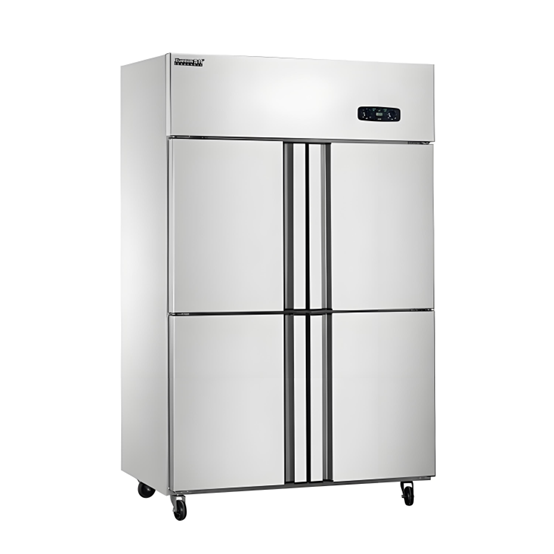
Weak Housing Market Meets Inflation, Lack of Consumer Confidence Suppresses Demand
As durable goods, refrigerator sales are closely tied to the real estate market, which is currently undergoing a deep correction in the US. In April 2025, the annualized rate of existing home sales fell to 4 million units, the lowest level since the financial crisis, primarily dragged down by high interest rates—the 30-year mortgage rate soared to 6.92%. Slowing real estate transactions mean lower occupancy rates for new homes, consequently impacting demand for appliances like refrigerators and washing machines.
Simultaneously, the NAHB/Wells Fargo Housing Market Index (HMI) also dropped to 34, reflecting builders' lack of confidence in new home sales prospects. Nearly one-third of builders are offering discounts to boost sales, indicating the market faces the dual challenges of high inventory and low transaction volume. This tightening trend on the consumer side will create a cascading inhibitory effect on refrigerator production and sales.

Source: NAHB
Refrigerator Production Cuts, Polyurethane Demand Under Pressure
Refrigerators widely use polyurethane foam as insulation to enhance energy efficiency. Production cuts mean actual consumption of polyurethane in appliance applications will decrease correspondingly. Although some refrigerator brands have set up factories in places like Mexico and Vietnam to circumvent the direct impact of tariffs, these alternative production capacities are still constrained by bottlenecks, equipment investment, and compliance investigations, making it difficult to significantly fill the gap in the short term.
From a supply chain perspective, the US steel tariffs not only increase manufacturing costs but also complicate cost pass-through. For polyurethane producers, the appliance sector should be a stable end-market, but the current dual blows from trade and real estate are steadily eroding demand, particularly for products like rigid polyols and MDI associated with refrigerators.
Cascading Effects Under Multiple Pressures, Polyurethane Firms Need Proactive Strategy
The implementation of steel tariffs combined with a weak real estate market is reshaping the supply-demand structure of the US refrigerator market. For polyurethane companies, while some appliance orders might be sustained in the short term through third-country transshipment channels, the risk of demand decline remains significant in the medium to long term.